

Table of Contents
The search for meaningful connection often forces modern men to confront a painful contradiction: the relationships that bring the greatest joy are frequently the ones capable of inflicting the deepest wounds. The legendary artist Vincent van Gogh once famously observed, “The more you love, the more you suffer.” At first glance, this statement feels brutally unfair. It suggests that opening one’s heart is an automatic invitation to fear, loss, and disappointment.
Yet, any individual who has experienced deep passion knows there is profound truth in his words. Love is not merely a gentle, comfortable emotion; it is an intense, raw state of being that leaves a person exposed. Understanding this dynamic is not about avoiding intimacy, but rather about mastering the complex intersections of attachment, neuroscience, and self-preservation.
The Relational Tension Cycle
The Biology of Heartbreak: Why Emotional Pain Registers as Physical Distress

To make sense of this reality, look no further than the foundational concepts of modern Relationship Psychology. When a romantic partnership ends or experiences severe strain, the resulting distress is rarely just mental. It is deeply physical. Clinical research indicates that the human brain does not make a major distinction between physical injury and emotional heartbreak.
The same neural pathways—specifically the anterior insula and the anterior cingulate cortex—that activate when a person suffers physical harm also fire during moments of social rejection, betrayal, or relational loss. This is why a sudden rupture in a relationship can manifest as a literal ache in the chest, a spike in cortisol, or a persistent state of physical fatigue.
When we build a profound bond, our biology begins to rely on our partner for coregulation. Our nervous systems literally intertwine. Because of this biological reality, Vincent van Gogh was not simply being dramatic; he was describing a profound biological truth.
The greater our investment in another person, the more sensitive our nervous system becomes to any threat to that bond. When a partner pulls away, responds coldly, or creates emotional distance, our brain interprets the shift as an existential threat.
Furthermore, chronic relational stress and prolonged anxiety can take a heavy physical toll on a man’s physiological health, directly disrupting endocrine output. For men experiencing persistent emotional wear and tear, assessing hormonal balance via a quick Testosterone Assessment can help clarify if physical fatigue is compounding psychological strain, especially since medical data links high stress-related cortisol with physical signs of low testosterone in men over 30. This physical vulnerability is the natural tax paid for genuine connection. If we refuse to pay it, we shut ourselves off from the biological and psychological benefits of true intimacy.
The Science of Attachment: How Childhood Bonds Code Adult Relationship Patterns

The Anxious Cycle: Navigating the Fear of Abandonment and Intimacy
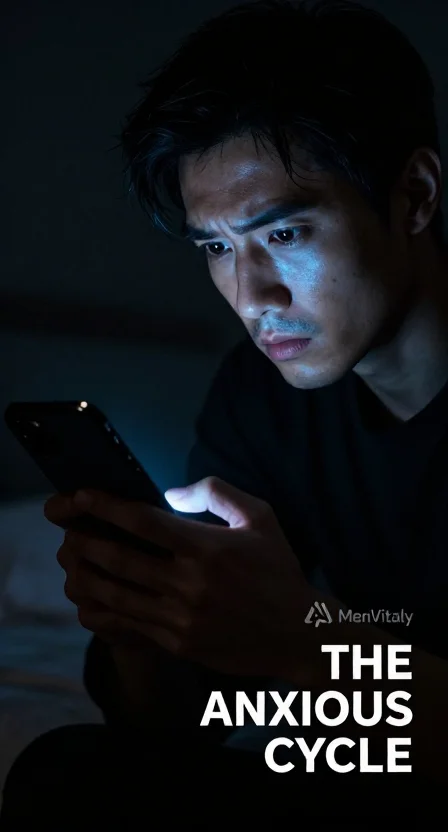
To understand why some individuals feel this pain more acutely than others, we must look to the modern framework of Attachment Theory. This psychological model suggests that our early interactions with caregivers program how we manage romantic intimacy as adults [12]. For many, this programming leads to a highly sensitive emotional radar.
When someone develops an Anxious Attachment style, their adult relationships often become a constant struggle between a powerful craving for closeness and an intense Fear of Abandonment. For these individuals, a delayed text message, an offhand remark, or a partner’s quiet mood is not just a minor issue—it feels like an impending crisis, triggering a cascade of nervous system reactions and escalating Emotional Vulnerability during minor relational shifts.
To conquer this chronic Fear of Abandonment, one must understand that hyper-vigilance keeps the body in a constant state of mild panic. In this dynamic, the act of loving someone inherently exposes a deep, raw nerve. Understanding how your early years shaped your current habits is a major focus of modern Relationship Psychology, helping to explain how early-life relational patterns influence our present-day emotional states. Recognizing these deep-seated patterns is the first step toward breaking free from circular arguments and constant romantic distress.
Vincent van Gogh’s Tragic Blueprint: A Case Study in Raw Artistic Vulnerability
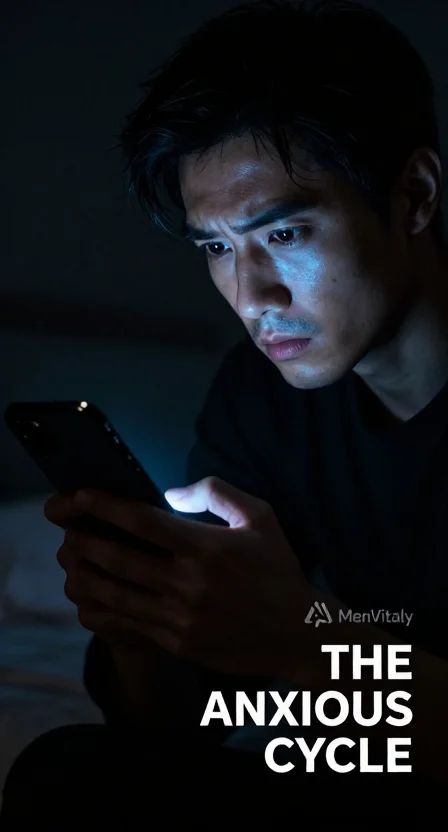
No historical figure is a better example of this emotional tightrope than Vincent van Gogh himself. Long before his masterpieces achieved global fame, the artist lived a life defined by intense, unreciprocated passion and profound Emotional Pain / Suffering. Whether pursuing art, faith, or romantic connections, he threw himself into his pursuits with an absolute lack of emotional armor.
Through letters to his brother, Theo, Vincent van Gogh documented a life of a man who loved the world and its people with fierce intensity, only to be met repeatedly with isolation, rejection, and deep despair. His statement about love and suffering was not a casual observation; it was a hard-earned conclusion drawn from a life lived without secure psychological boundaries.
His intense Emotional Vulnerability fueled his creative genius, allowing him to paint with unmatched energy and depth, but it also left him completely unprotected against the harsh realities of rejection, driving him toward self-destructive habits. His life serves as a powerful reminder that while raw emotion can inspire incredible art, a complete lack of protective boundaries can make navigating daily life exceptionally difficult.
Emotional Sovereignty: How to Love Deeply Without Destroying Your Mental Health

Building Emotional Resilience: Restructuring Your Nervous System Response
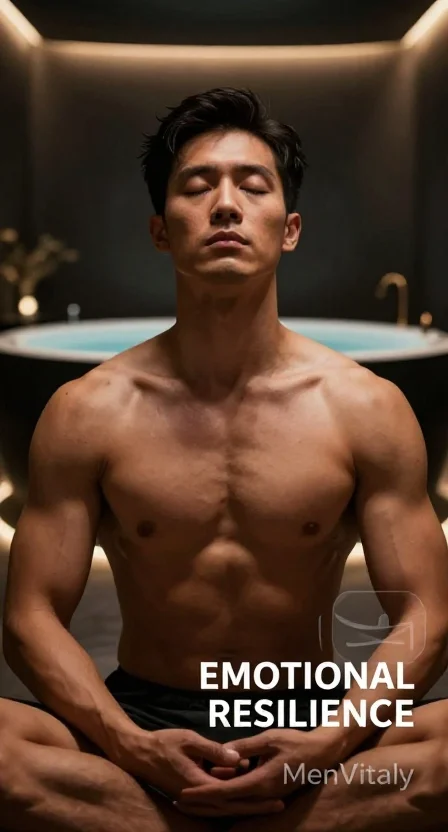
The ultimate takeaway from Van Gogh’s perspective is not that we should stop loving to avoid pain. Instead, the goal is to develop the inner strength needed to love with full awareness. This requires cultivating deep Emotional Resilience—the ability to experience intense feelings without letting them destabilize your mental health.
Somatic Tools for Emotional Rehab
- Physiological Sigh: Take a double inhale through the nose followed by a long, slow exhale through the mouth to instantly drop your heart rate.
- Sensory Grounding: Use the 5-4-3-2-1 cognitive method to redirect high-arousal anxious thoughts back to your immediate physical environment.
- Somatic Shaking: Physically shake out your limbs for 60 seconds to release built-up muscular tension and stress-induced adrenaline.
Building this resilience begins by prioritizing consistent Nervous System Regulation. When a relationship conflict occurs or a partner pulls away, our bodies naturally slip into a “fight-or-flight” stress state. By practicing focused physical grounding techniques—such as somatic shaking, progressive muscle relaxation, or deep breathing, we can send immediate safety signals to the brain.
This conscious regulation prevents a simple emotional trigger from spiraling into full-blown panic or protective anger. Additionally, chronic relationship stress frequently disrupts sleep patterns, which directly hinders physical recovery and cognitive resilience.
To combat this physical toll, optimizing your sleep hygiene and using a Sleep Calculator can help you time your sleep cycles to promote deeper rest, as detailed in our guide on the best sleep cycle calculator for muscle recovery. Achieving this baseline of Emotional Resilience protects your mental health, allowing you to process relational stress without losing your footing.
Establishing Secure Boundaries: The Antidote to Codependent Suffering

Alongside physical regulation, protecting your mental well-being requires setting clear, firm boundaries. Drawing on the principles of Attachment Theory, we learn that individuals with an Anxious Attachment pattern often struggle to maintain these boundaries. They frequently merge their entire identity with their partner’s moods, turning every minor issue into an intense emotional battle.
Learning to separate your internal emotional state from your partner’s reactions is crucial for reducing unnecessary Interpersonal Conflict. A secure boundary is not a wall built to keep people out; it is a clear guideline that defines where you end and your partner begins.
By practicing self-soothing, protecting your personal routines, and keeping up with your own goals, you create a buffer against relationship turbulence. Loving someone with secure boundaries means you can care for them deeply without letting their temporary moods dictate your personal peace of mind.
Ultimately, suffering is not a sign that you made a mistake by opening your heart. It is a natural reflection of your capacity for deep empathy, connection, and courage. By learning to navigate these intense emotions with conscious boundaries and a regulated nervous system, you can build relationships that are resilient, meaningful, and genuinely satisfying.
For more actionable strategies, psychology breakdowns, and performance blueprints designed for the modern professional, explore the educational resources available at MenVitaly.com.
- Decoding the Van Gogh Paradox: “The More You Love, The More You Suffer”

- [The Exterior Blueprint] 7 High-ROI Secrets to Instantly Modernize Your House Exterior Design
- Beyond the 9-to-5: What is Website Earning (And How Modern Men are Building $10K/Month Digital Assets)
- The Waking Protocol: 5 Quick Daily Habits to Trigger Aggressive Testosterone Spikes The 2026 Blueprint
- The Ultimate Weight Lifting Routine to Lose Weight and Build Lean Muscle
- The Ultimate Weight Loss Workout Plan for Men: The 2026 Elite Body Recomposition Blueprint