

Table of Contents
The facade of a home is more than a structural barrier against the elements; it is the physical cover page of an individual’s personal lifestyle. When evaluating a property, design-conscious owners understand that a cohesive House Exterior Design communicates prestige, care, and attention to detail. Enhancing these structures does not merely serve the homeowner’s visual enjoyment; it is a critical driver of overall property value.
Rather than approaching upgrades as random weekend tasks, the path to a memorable home requires a strategic approach. When people ask, “how can I fund these luxury structural improvements?”, they often look beyond traditional income. Just as you can build wealth with physical houses, discovering what is website earning provides a digital alternative to generating high-margin cash flow to fund your premium lifestyle upgrades. By viewing your physical property as a unified canvas, any homeowner can systematically transform their home’s presence, creating an exterior that commands attention and elevates the standard of the entire street.
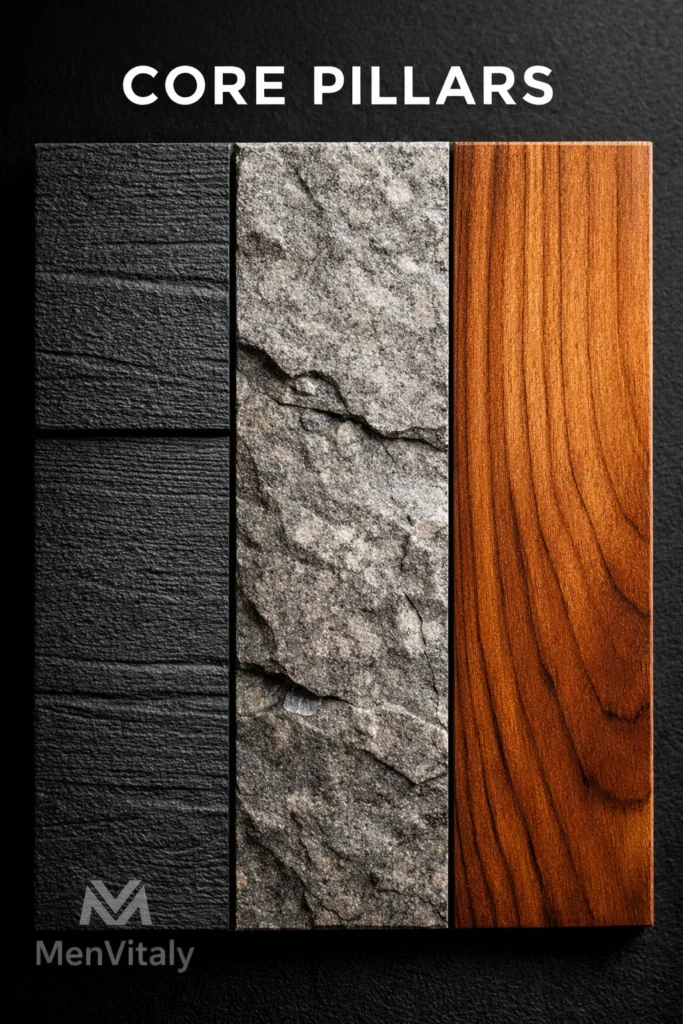
The Science of First Impressions: Unpacking Modern House Exterior Design
The Core Pillars: Materials, Architectural Character, and Visual Balance
A successful facade relies heavily on how its primary components interact. To execute a superior House Exterior Design, one must analyze the visual weight of structural components, local textures, and material durability. Choosing your Siding Materials is one of the most critical decisions in this process. Options such as fiber cement, natural stone, brick, and high-performance engineered wood each possess distinct maintenance needs, insulating properties, and visual textures.
Beyond the raw materials, understanding your home’s underlying Architectural Style is essential. Whether a property is built with the clean, flat rooflines of Modernism or the classic gabled roofs of Traditional designs, every physical element must respect these native proportions. By ensuring the choice of materials aligns with this structural profile, you establish a solid design foundation that dramatically boosts your home’s Curb Appeal from the moment it is viewed from the street.
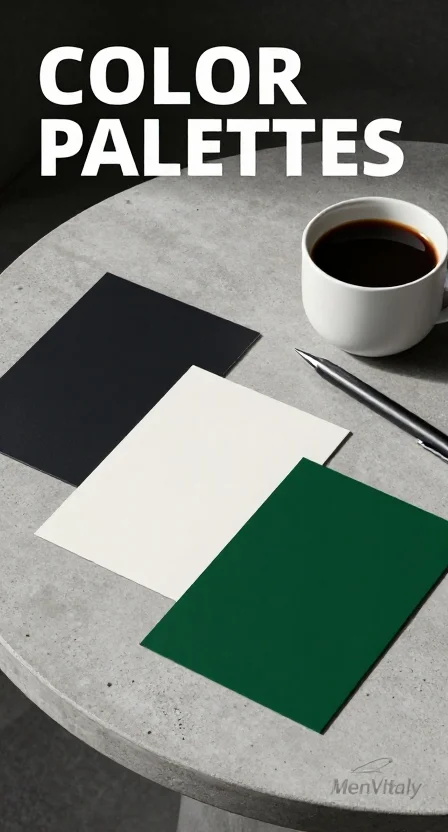
Elevating Aesthetics: How to Curate the Perfect Color Palette
Mastering Contrast: Siding, Trim, and Statement Accent Colors
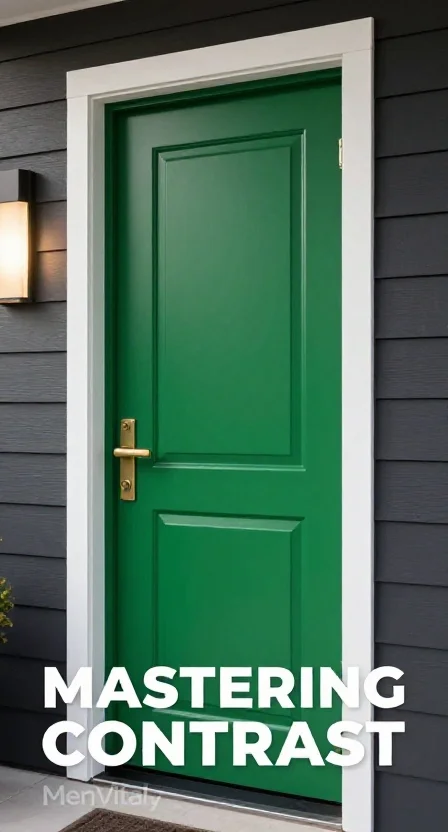
Color holds the unique ability to alter spatial perceptions, making a home appear larger, warmer, or more integrated into its natural surroundings. Selecting a cohesive Color Palette is an essential step in refining a home’s exterior presentation. As a rule, a balanced scheme consists of a dominant field color, a secondary trim color, and a high-contrast accent hue designed to highlight specific architectural features, such as the entryway.
The Exterior Palette Ratio (60-30-10)
When deciding on a scheme, testing paint swatches under varying daylight conditions is highly recommended to prevent unexpected undertones. A thoughtful selection makes a property stand out elegantly without disrupting the overall aesthetic of the neighborhood, ultimately building a lasting positive impression that drives Curb Appeal upward.
Defining Architectural Styles: Choosing Elements that Match Your Vision
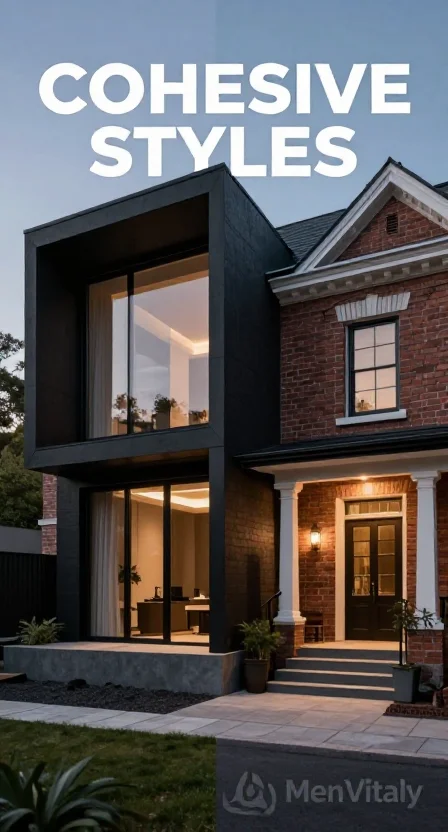
Modern Minimalist vs. Timeless Traditional: Designing a Cohesive Exterior
Every masterfully styled home tells a distinct visual story. A modern Architectural Style highlights clean lines, vast glass planes, and geometric simplicity, prioritizing structural function over ornate decoration. In contrast, traditional designs favor classic symmetries, detailed moldings, and natural brick or stone textures that convey warmth and history. Meanwhile, the beloved craftsman design focuses on exposed natural wooden rafters and handcrafted details.
Modern
- ▪ Minimalist Clean Lines
- ▪ Expansive Glass Windows
- ▪ Smooth, Industrial Surfaces
Traditional
- ▪ Classic Visual Symmetry
- ▪ Ornate Moldings & Brickwork
- ▪ Warm, Timeless Earthy Accents
Craftsman
- ▪ Exposed Structural Woodwork
- ▪ Cozy Porches & Entryways
- ▪ Rich Rustic Charm & Detail
To ensure a successful renovation without costly errors, smart planners utilize advanced rendering tools before ordering materials. Expert architectural visualizers on Fiverr can design a custom 3D exterior render for your home under $20, letting you see how your chosen siding and accents work together before committing to construction. Relying on 3D Exterior Rendering removes the guesswork, ensuring that your architectural upgrades result in a cohesive, attractive look.
Living Design: Integrating Landscaping & Hardscaping for Natural Balance
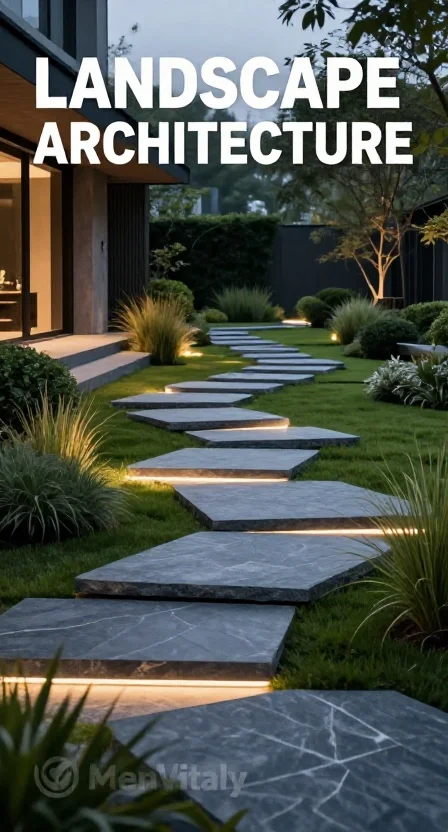
Framing Your Entrance: Balancing Vegetation with Architectural Lines
A brilliant exterior design should not stop at the home’s walls. Strategic Landscaping & Hardscaping are critical to bridging the gap between nature and architecture. A manicured green lawn, clean stone pathways, and structured plant beds guide a visitor’s eyes directly toward the home’s main entrance, framing rather than obscuring the design.
Using local plants is a smart way to simplify garden maintenance while supporting the local ecosystem. Combining soft natural elements with clean masonry hardscaping—such as dark slate walkways or stone retaining walls—gives your front yard depth, structure, and year-round beauty. In fact, many design-conscious men are using hardscaped patios or updated garage bays to install affordable home gym equipment, blending outdoor aesthetics with high-performance physical optimization.
Professional landscape designers on Fiverr can draft a complete backyard and front yard blueprint under $20, helping you balance soft and hard architectural elements to maximize Curb Appeal.
Illumination Protocols: Transforming Curb Appeal with Strategic Exterior Lighting
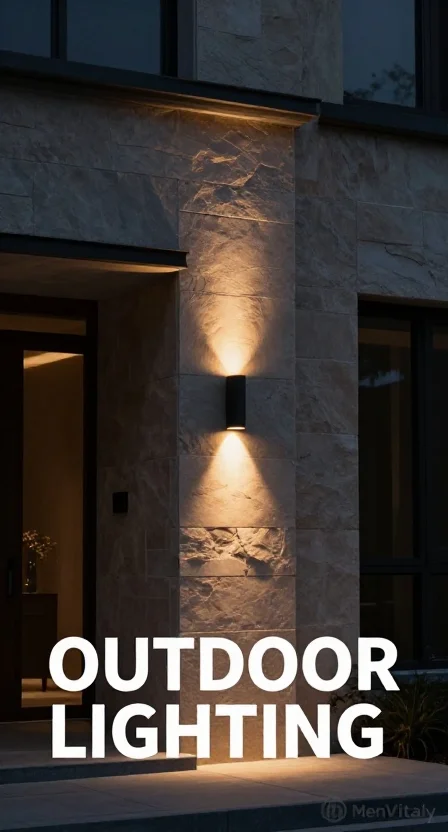
Safety, Drama, and Texture: Positioning Sconces, Uplights, and Path Lights
When night falls, high-end design should not disappear. Implementing professional Exterior Lighting preserves your home’s character and safety after dark. Properly placed path lights, warm step fixtures, and bright entrance sconces secure walkways while offering an inviting evening atmosphere.
Beyond basic visibility, creative lighting acts as a secondary design layer. Placing subtle uplights at the base of your home’s facade accentuates stone siding textures, while downlights mounted under eaves cast a warm, artistic glow. Combining different lighting heights and directions adds dimension, turning your property into an attractive, safe, and secure space when the sun goes down. Using premium Exterior Lighting is an excellent way to maintain high Curb Appeal around the clock.
The Details that Matter: Upgrading Decorative Accents and Entryways
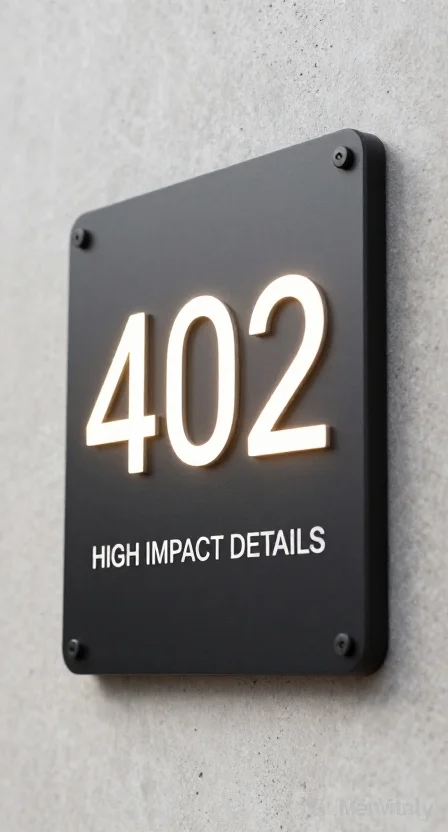
Front Door Focus and Bold House Numbers: Designing High-Impact Focal Points
When transforming a facade, small details can have a remarkably large visual impact. Upgrading your home’s Decorative Accents is one of the most cost-effective ways to update its look. Installing custom shutters, matching dark hardware, and updating your entry door with a vibrant, contrasting color establishes an immediate focal point that anchors the entire design.
Shutters
- ▪ Rich Contrasting Colors
- ▪ Upgraded Modern Hardware
- ▪ Matches Architectural Style
House Numbers
- ▪ Brushed & Modern Metals
- ▪ Bold, Highly Visible Fonts
- ▪ Backlit LED Ambient Options
Front Door
- ▪ High-Gloss, Polished Finishes
- ▪ Bold, Contrasting Statement Hue
- ▪ Premium Weighted Hardware
Even minor elements, like address numbers, can elevate a home’s design. Professional graphic designers on Fiverr can create modern custom address plates and house numbers for you under $20, replacing boring, standard numbers with stylish, clear typography in materials like brushed aluminum, dark iron, or backlit acrylic. Combining these minor decorative upgrades creates a polished look that significantly boosts Curb Appeal.
Protecting Your Investment: The Critical Role of Scheduled Home Maintenance
Preserving Curb Appeal through Preventive Care and Exterior Preservation
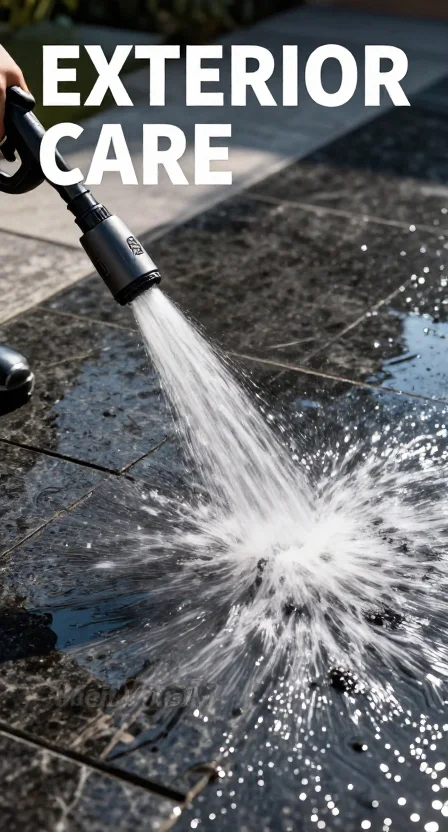
Even the most beautiful designs will lose their charm without proper upkeep. Just as executing a daily men’s skincare routine for beginners over 30 preserves personal health and slows visual aging, scheduled Home Maintenance is the key to preserving your home’s physical property from environmental wear and tear.
Routinely check your property for peeling paint, cracked siding, or damaged roofing to fix minor issues before they turn into major, expensive repairs. Keeping gutters clear prevents water damage, while clean windows maintain your home’s polished appearance.
Your garden and grounds also require regular upkeep. Trimming overgrown plants, keeping your grass cut, and clearing weeds ensures your landscaping stays fresh and clean. Engaging in hands-on yard upkeep or manual pressure washing can also serve as one of the quick daily habits to boost natural testosterone fast, keeping your body active and conditioned while optimizing your living space. Periodically power washing concrete pathways and your driveway removes unsightly dirt and organic growth, demonstrating pride in homeownership and preserving your home’s Curb Appeal for visitors and prospective buyers alike.
Strategic Renovation Planning: Budgeting and Maximizing Return on Investment (ROI)

The DIY vs. Professional Dilemma: Making Cost-Effective Upgrades
Improving your home’s exterior does not require an unlimited budget; it requires smart planning. When planning upgrades, calculate a realistic budget that includes material costs, tool rentals, and city permits. Homeowners can take on manageable DIY projects—like basic gardening, paint touch-ups, or minor lighting installations—to reduce labor costs and keep their House Exterior Design updates highly affordable.
However, complex projects like structural modifications, professional electrical installations, or roof repairs are best left to certified specialists. While hiring licensed professionals increases upfront costs, it protects your long-term Return on Investment (ROI) by preventing expensive, amateur mistakes. Dividing large-scale renovations into smaller, structured stages lets you steadily upgrade your home’s exterior, keeping your budget comfortable while building long-term equity.
Discover more expert property guides, modern lifestyle blueprints, and high-end wealth strategies tailored for the modern professional at MenVitaly.com.
Frequently Asked Questions About House Exterior Design
Q1: What is the most cost-effective way to boost my home’s curb appeal?
A: The most cost-effective upgrades focus on high-impact decorative details. Painting your front door with a bold, contrasting color, installing modern house numbers, upgrading path lighting, and power washing dirty paths offer excellent visual returns on a small budget.
Q2: Which siding materials offer the best longevity and lowest maintenance?
A: Fiber cement siding (such as James Hardie) is highly recommended for its durability, as it resists fire, pests, and rot while mimicking the classic look of wood. Stucco, engineered wood, and natural brick also offer great long-term durability with minimal maintenance.
Q3: How do I choose the right exterior colors without clashing with the neighborhood?
A: Use the 60-30-10 design rule: dedicate 60% of your exterior to a neutral dominant field color, 30% to a coordinating secondary trim color, and save a bold, unique color for the remaining 10% on accent details like your front door. This keeps the look balanced and stylish without clashing.
Q4: Should I hire a professional for my home’s exterior improvements?
A: Minor projects like painting your front door, planting shrubs, or updating simple hardware can be done yourself to save money. However, complicated projects like structural work, masonry, high-up exterior painting, and major landscape modifications should be handled by licensed professionals to ensure a high return on investment (ROI).
- Decoding the Van Gogh Paradox: “The More You Love, The More You Suffer”

- [The Exterior Blueprint] 7 High-ROI Secrets to Instantly Modernize Your House Exterior Design
- Beyond the 9-to-5: What is Website Earning (And How Modern Men are Building $10K/Month Digital Assets)
- The Waking Protocol: 5 Quick Daily Habits to Trigger Aggressive Testosterone Spikes The 2026 Blueprint
- The Ultimate Weight Lifting Routine to Lose Weight and Build Lean Muscle
- The Ultimate Weight Loss Workout Plan for Men: The 2026 Elite Body Recomposition Blueprint