

Table of Contents
Fast fashion creates a massive environmental crisis through toxic waste and disposable garments, a problem that sustainable fashion solves by promoting durable materials and ethical production. Interestingly, building a fitness routine follows the exact same philosophy. Instead of “fast fitness” fad diets and endless cardio that leave you burned out, you need a high-yield, eco-system approach for your body. This article bridges that gap. We will discuss how adopting the best weight lifting routine to lose weight serves as a sustainable, long-term solution for body recomposition. Discover how heavy compound lifts protect your metabolism and burn fat efficiently without the exhausting burnout.
By shifting away from temporary ‘fad fitness’ trends and embracing a structured, compound-movement weight lifting routine, individuals can sustainably accelerate fat loss, optimize their resting metabolic rate, and achieve permanent body recomposition.
The Science: How Resistance Training Accelerates Fat Loss

When most people decide to shed extra pounds, their first instinct is to run straight to the treadmill. While traditional cardio burns calories during the activity itself, it lacks the long-term metabolic advantages of a structured weight lifting for weight loss routine. To understand why lifting weights is the superior choice for sustainable fat loss, we have to look at the underlying physiological mechanisms.
EPOC and the “Afterburn Effect”
One of the greatest hidden benefits of intense resistance training is EPOC (Afterburn Effect). Unlike steady-state running, where your caloric burn stops the moment you step off the machine, heavy strength training leaves your body working overtime. Intense lifting creates micro-tears in the muscle fibers and disrupts your cellular equilibrium. Your body must consume extra oxygen and energy over the next 24 to 48 hours to repair these tissues, resulting in an elevated caloric expenditure long after you leave the gym.
Maximizing RMR and Body Recomposition
If you rely solely on drastic calorie cuts and cardio, a significant portion of the weight lost will actually come from lean muscle tissue. Losing muscle drops your baseline metabolism, making long-term maintenance almost impossible.
Using a best strength training program for fat loss forces the body into body recomposition—simultaneously stripping away fat while preserving or building lean muscle mass. Maintaining a solid muscle base keeps your RMR / BMR (Resting Metabolic Rate / Basal Metabolic Rate) high. Since muscle is metabolically active tissue, it demands energy around the clock, helping you burn more calories even on rest days. To see how your current metrics match up, calculating your baseline figures with an online BMR Calculator is a highly recommended starting point for setting accurate nutritional goals.
The Core Framework: Compound Movements vs. Isolation Exercises
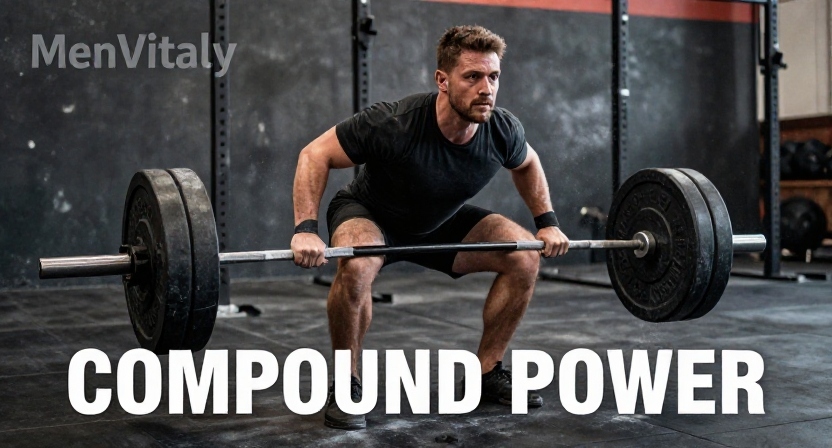
To get the absolute most out of a gym workout routine for weight loss, exercise selection is everything. Spending an hour doing bicep curls and tricep extensions will not create a large enough metabolic disturbance. Instead, the focus must shift entirely toward Compound Movements.
Compound exercises are multi-joint movements that recruit multiple large muscle groups at the same time. Think of them as the ultimate high-yield investments for your physical ecosystem. Because they engage so much muscle mass simultaneously, they demand significantly more energy, elevate the heart rate, and stimulate a powerful natural hormonal response.
To ensure the routine remains effective week after week, you must apply the principle of Progressive Overload. This means consistently challenging your muscles by slightly increasing the weight, adding an extra repetition, or reducing rest periods over time. If you need help calculating your top-end strength limits to plan your weights safely, check out this guide to calculate one-rep max accurately.
The 3-Day Full-Body Split Program
When operating in a caloric deficit context, your body’s ability to recover is slightly compromised. A 3 day split full body routine for fat loss is the perfect solution. It allows you to train every major muscle group with high intensity three times a week while leaving four full days for rest, recovery, and muscle growth.
Weekday Workout Blueprint
Perform these three workouts on non-consecutive days (e.g., Monday, Wednesday, Friday). Focus on executing every movement with perfect form.
| Day / Focus | Exercise Selection | Sets & Reps | Training Focus |
| Day 1: Push / Squat Focus | Barbell Back Squats Bench Press Overhead Press | 3 Sets x 8-12 Reps 3 Sets x 8-12 Reps 3 Sets x 8-12 Reps | Heavy compound foundation; focuses on the anterior chain and shoulder stability. |
| Day 2: Pull / Hinge Focus | Conventional Deadlifts Barbell Bent-Over Rows Pull-Ups or Lat Pulldowns | 3 Sets x 5 Reps 3 Sets x 8-12 Reps 3 Sets x 8-12 Reps | Posterior chain dominance; builds a strong back and core while burning massive energy. |
| Day 3: Leg / Core Focus | Romanian Deadlifts (RDLs) Dumbbell Walking Lunges Push-Ups | 3 Sets x 10 Reps 3 Sets x 12 Reps per leg 3 Sets x Max Reps | Unilateral leg strength and core stability to maximize athletic output. |
Note: If you work out in a home environment with limited gear, adapting this layout into a dumbbell only weight loss routine by swapping the barbell movements for heavy dumbbell variations is an incredibly effective alternative. For those setting up a personal space, finding the right affordable home gym equipment can help maintain consistency without breaking the bank.
Advanced Intensity Strategies to Spike Caloric Burn
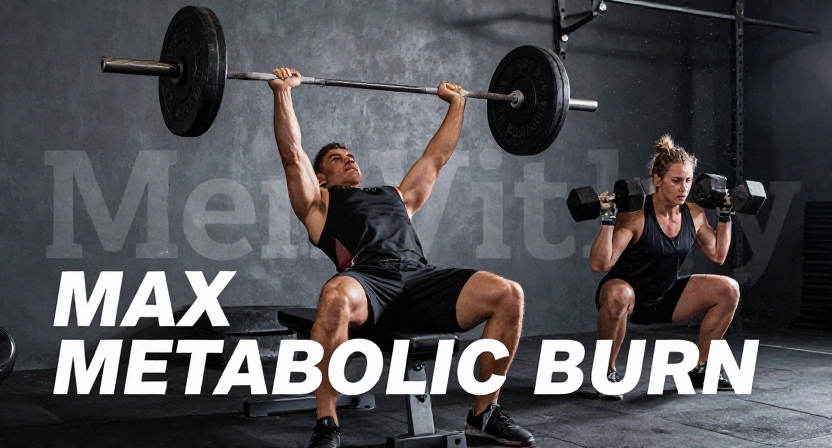
For individuals with packed schedules, finding a way to condense training sessions without sacrificing fat-burning efficacy is crucial. This is where advanced structuring can take a standard routine to the next level.
Implementing Metabolic Resistance Training (MRT)
Instead of taking long, passive rest periods between sets, you can transition your workout into Metabolic Resistance Training (MRT). By pairing non-competing exercises together—such as following a set of squats immediately with a set of pull-ups—you keep your heart rate elevated throughout the entire session. This structural shift turns your strength training into a powerful cardiovascular challenge without stripping away the heavy loads necessary for hypertrophy and muscle preservation.
Common Mistakes to Avoid When Lifting for Weight Loss
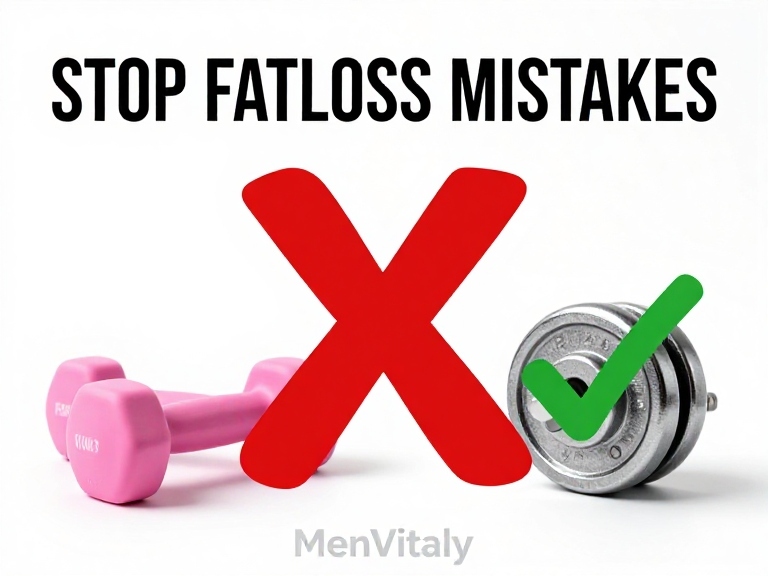
Transitioning to a heavy lifting style can feel a bit counterintuitive if you are used to traditional weight loss advice. Avoiding these common structural traps will save you months of wasted effort:
- Dropping the Weight to “Tone”: One of the biggest mistakes individuals make is dropping their weights down to ultra-light loads and performing 20+ frantic repetitions. Light weights do not provide a strong enough stimulus to convince your body to preserve its muscle tissue during a diet. Stick to the heavy compound ranges.
- Chasing Sweat Instead of Progress: A good workout shouldn’t be judged solely by how drenched in sweat you are or how exhausted you feel. True success comes from tracking your lifts and ensuring you are applying progressive overload over time.
- Out-Eating the Deficit: Training hard increases appetite. If you aren’t managing your overall nutritional structure, it is incredibly easy to accidentally consume more calories than your body requires. For tailored guidance on matching your food intake to your new lifting schedule, using an online Calorie Calculator can give you the exact boundaries needed for a successful transformation.
Frequently Asked Questions
Can you lose weight just by lifting weights?
Yes. Resistance training burns calories, triggers a significant post-workout metabolic spike through EPOC, and builds muscle mass which naturally increases your daily energy expenditure. However, for optimal results, it should always be paired with a proper nutritional plan.
Is it better to lift heavy or light weights for fat loss?
Lifting heavier weights (in the 8-12 repetition range) is vastly superior for fat loss. Heavy resistance signals to the body that it must retain its muscle mass despite being in a caloric deficit, ensuring that the weight you lose comes from pure fat rather than lean tissue.
Should I do cardio before or after weight lifting for fat loss?
It is highly recommended to perform your weight lifting session first. Lifting weights requires high levels of physical energy, focus, and central nervous system readiness. Doing intense cardio beforehand exhausts your muscles, reduces your strength capacity, and increases the risk of form breakdown during heavy compound movements like squats or deadlifts.
Explore Our Health & Fitness Toolkit
- Decoding the Van Gogh Paradox: “The More You Love, The More You Suffer”

- [The Exterior Blueprint] 7 High-ROI Secrets to Instantly Modernize Your House Exterior Design
- Beyond the 9-to-5: What is Website Earning (And How Modern Men are Building $10K/Month Digital Assets)
- The Waking Protocol: 5 Quick Daily Habits to Trigger Aggressive Testosterone Spikes The 2026 Blueprint
- The Ultimate Weight Lifting Routine to Lose Weight and Build Lean Muscle
- The Ultimate Weight Loss Workout Plan for Men: The 2026 Elite Body Recomposition Blueprint